Time Zone Abbreviations Explained: Why IST, EST, PST, and BST Confuse Everyone
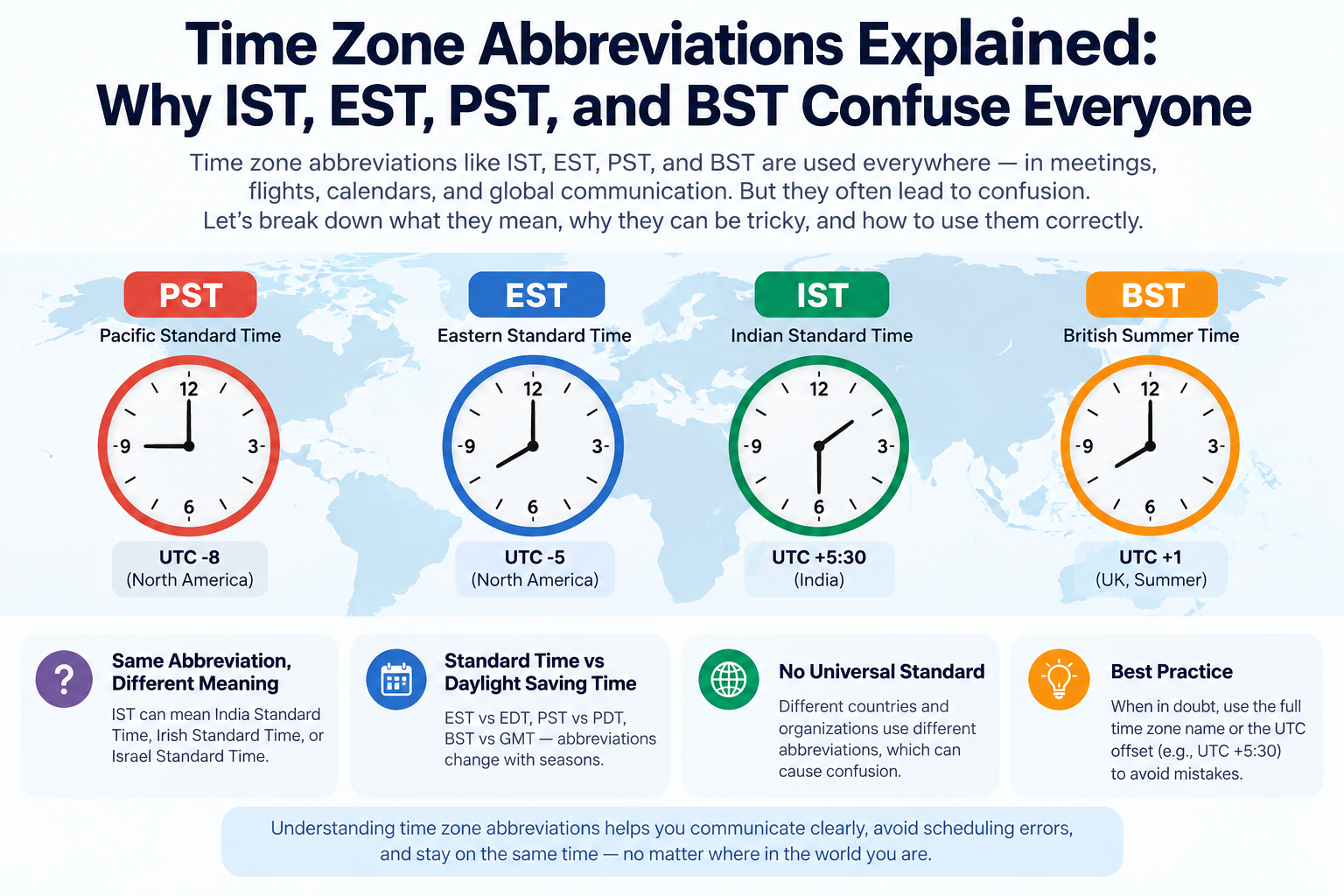
Few things cause more scheduling chaos than a three-letter time zone abbreviation. Someone says "let's meet at 3 PM IST" and suddenly you're not sure whether they mean India, Ireland, or Israel — all of which use the same abbreviation for different times.
Time zone abbreviations were meant to simplify communication. Instead, they became one of the most unreliable ways to express time.
This guide explains what these abbreviations actually mean, why they clash, and why the world is slowly moving toward numeric UTC offsets instead.
Use the free time zone converter here →
The Short Answer: Why Abbreviations Are Confusing
A time zone abbreviation is a short letter code for a region's local time. The problem is that abbreviations are not globally unique — the same letters can mean different offsets in different countries.
| Aspect | Details |
|---|---|
| What they are | 2-5 letter codes for local time zones |
| The core problem | The same abbreviation means different times in different regions |
| Worst offender | IST — India, Ireland, and Israel all use it |
| DST complication | Many zones switch abbreviations twice a year |
| Better alternative | Numeric UTC offsets (e.g., UTC+05:30) |
| Still used by | Airlines, media, legacy systems, casual conversation |
The Core Problem: Abbreviations Are Not Unique
One Code, Many Meanings
Unlike UTC offsets, abbreviations are not standardized across the world. The same letters can represent completely different times.
| Abbreviation | Possible Meanings | Offsets |
|---|---|---|
| IST | India Standard Time | UTC+05:30 |
| IST | Irish Standard Time | UTC+01:00 |
| IST | Israel Standard Time | UTC+02:00 |
| CST | China Standard Time | UTC+08:00 |
| CST | Central Standard Time (US) | UTC−06:00 |
| CST | Cuba Standard Time | UTC−05:00 |
| BST | British Summer Time | UTC+01:00 |
| BST | Bangladesh Standard Time | UTC+06:00 |
| AST | Arabia Standard Time | UTC+03:00 |
| AST | Atlantic Standard Time | UTC−04:00 |
When someone writes "3 PM IST," the actual moment could differ by 4.5 hours depending on which IST they mean.
Why This Happened
Abbreviations were created locally, not globally. Each country picked letters that made sense in its own language and context . Nobody coordinated internationally, so collisions were inevitable.
The DST Complication: EST vs EDT, PST vs PDT
Many regions observe Daylight Saving Time (DST), which shifts clocks forward by one hour in summer. This changes the abbreviation too.
| Standard Time | Daylight Time | Region | Offset Change |
|---|---|---|---|
| EST (UTC−05:00) | EDT (UTC−04:00) | US Eastern | +1 hour in summer |
| CST (UTC−06:00) | CDT (UTC−05:00) | US Central | +1 hour in summer |
| MST (UTC−07:00) | MDT (UTC−06:00) | US Mountain | +1 hour in summer |
| PST (UTC−08:00) | PDT (UTC−07:00) | US Pacific | +1 hour in summer |
| GMT (UTC+00:00) | BST (UTC+01:00) | UK | +1 hour in summer |
The trap: People often say "EST" year-round even when the region is actually on EDT in summer. If you schedule a meeting in "EST" during July, you may be an hour off.
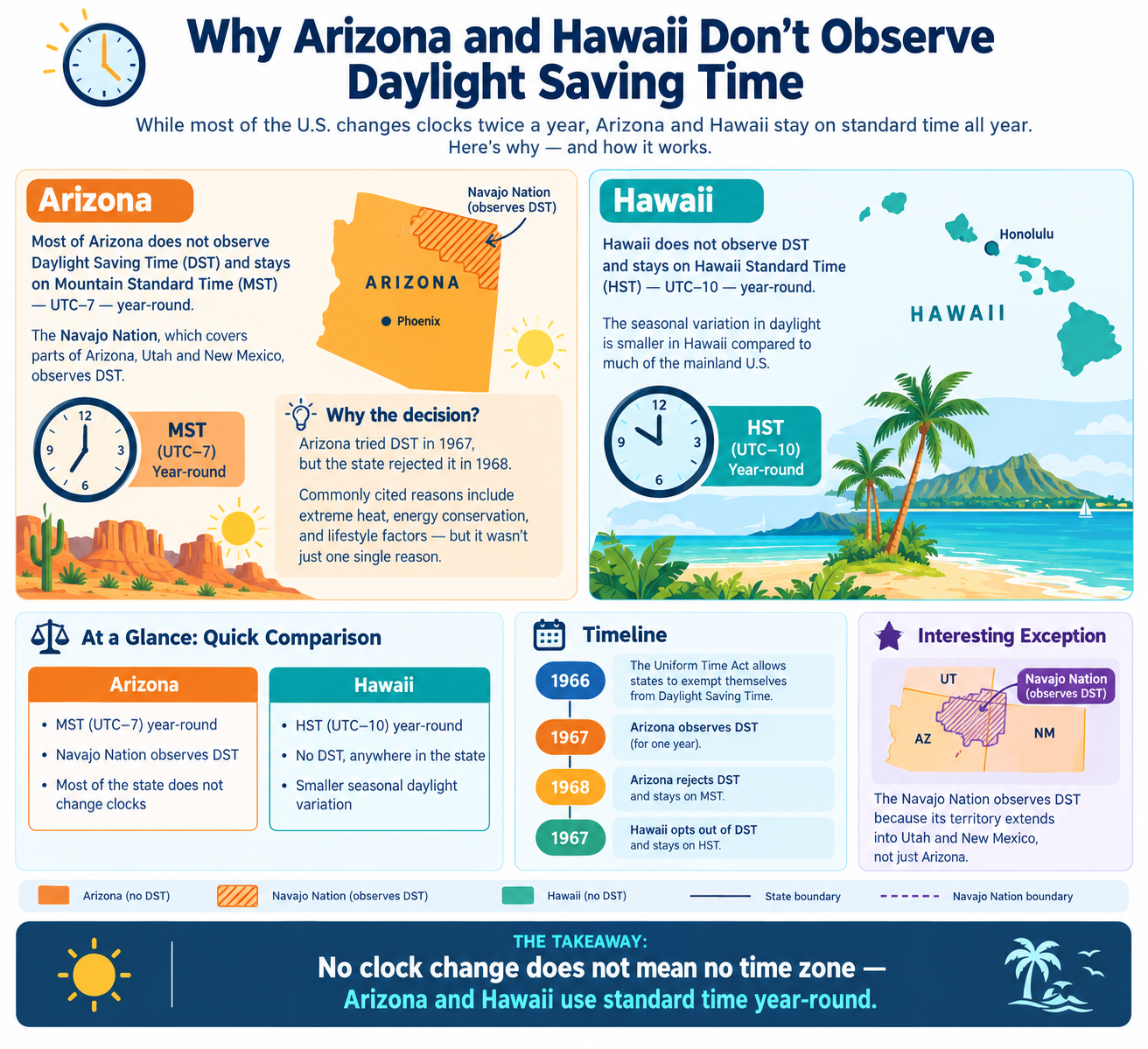
Not Everyone Observes DST
| Region | Observes DST? |
|---|---|
| Most of the United States | Yes |
| Arizona (except Navajo Nation) | No |
| Hawaii | No |
| India | No |
| China | No |
| Most of Africa | No |
| Japan | No |
This means the offset difference between two regions can change twice a year, and abbreviations alone won't tell you.
The Biggest Offenders
IST: The Worst Abbreviation in the World
IST is notorious because it maps to at least three major time zones:
| Meaning | Offset | Where |
|---|---|---|
| India Standard Time | UTC+05:30 | India |
| Irish Standard Time | UTC+01:00 | Ireland (summer) |
| Israel Standard Time | UTC+02:00 | Israel |
If you see "IST" without context, you genuinely cannot know the time. Always ask or check the offset.
BST: Britain vs Bangladesh
| Meaning | Offset | Where |
|---|---|---|
| British Summer Time | UTC+01:00 | United Kingdom (summer) |
| Bangladesh Standard Time | UTC+06:00 | Bangladesh |
A 5-hour difference hidden behind three letters.
CST: China vs Central US vs Cuba
| Meaning | Offset | Where |
|---|---|---|
| China Standard Time | UTC+08:00 | China |
| Central Standard Time | UTC−06:00 | Central US |
| Cuba Standard Time | UTC−05:00 | Cuba |
That's a 14-hour spread for the same abbreviation.
Why UTC Offsets Are Better
A UTC offset is a numeric value showing how many hours and minutes a region is ahead of or behind Coordinated Universal Time.
| Abbreviation | UTC Offset | Clarity |
|---|---|---|
| IST | UTC+05:30 | Ambiguous |
| EST | UTC−05:00 | Clear (if standard time) |
| PST | UTC−08:00 | Clear (if standard time) |
| BST | UTC+01:00 | Ambiguous |
| — | UTC+05:30 | Unambiguous |
| — | UTC−08:00 | Unambiguous |
Why offsets win:
- No collisions — UTC+05:30 means one thing everywhere
- No DST confusion — the offset changes, but you always know the actual number
- Machine-readable — software handles offsets far more reliably than abbreviations
- Globally understood — no need to know local naming conventions
A Quick Reference Table
| Abbreviation | Common Meaning | Offset | Notes |
|---|---|---|---|
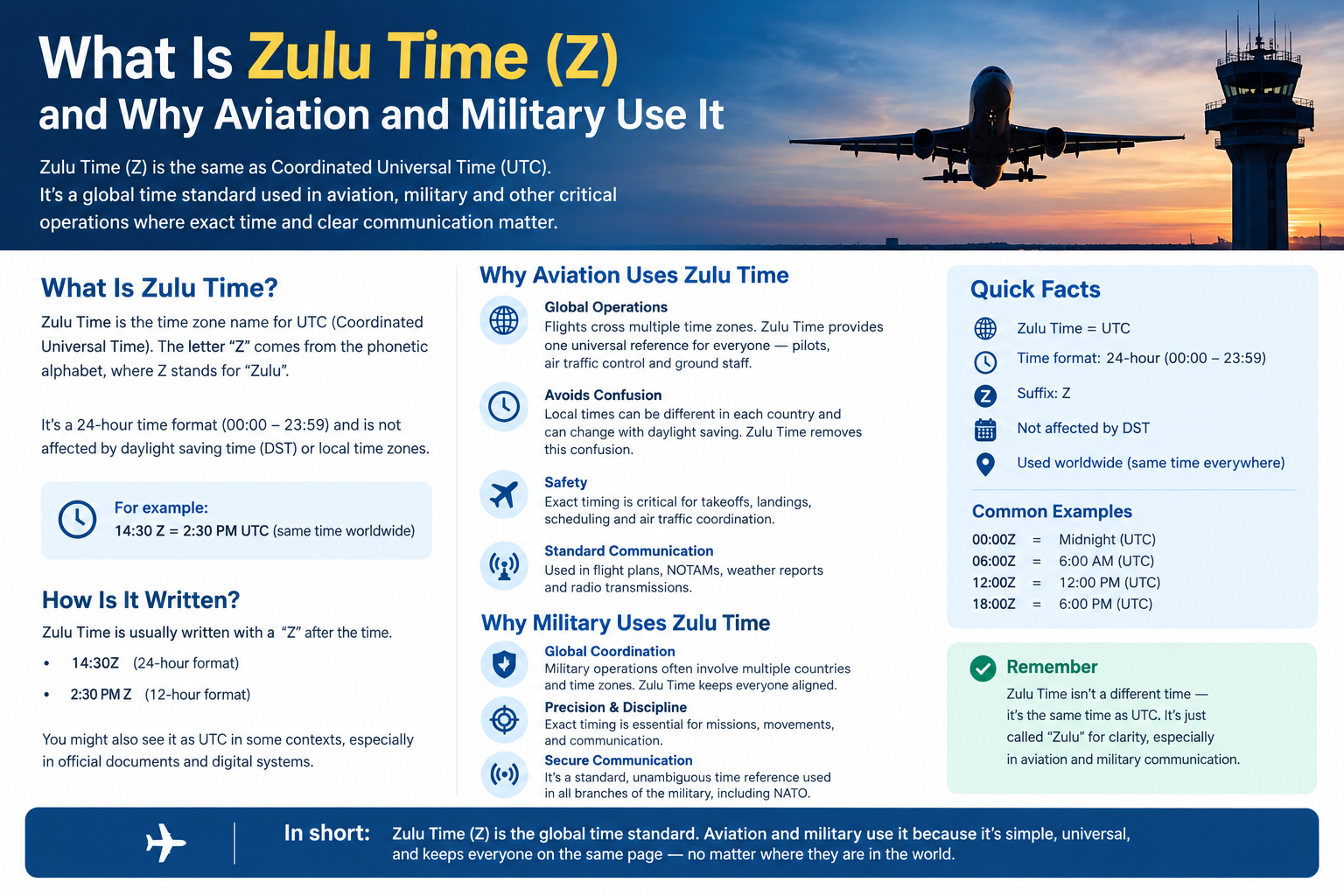
| UTC | Coordinated Universal Time | UTC±00:00 | The global standard |
| GMT | Greenwich Mean Time | UTC+00:00 | Often used interchangeably with UTC |
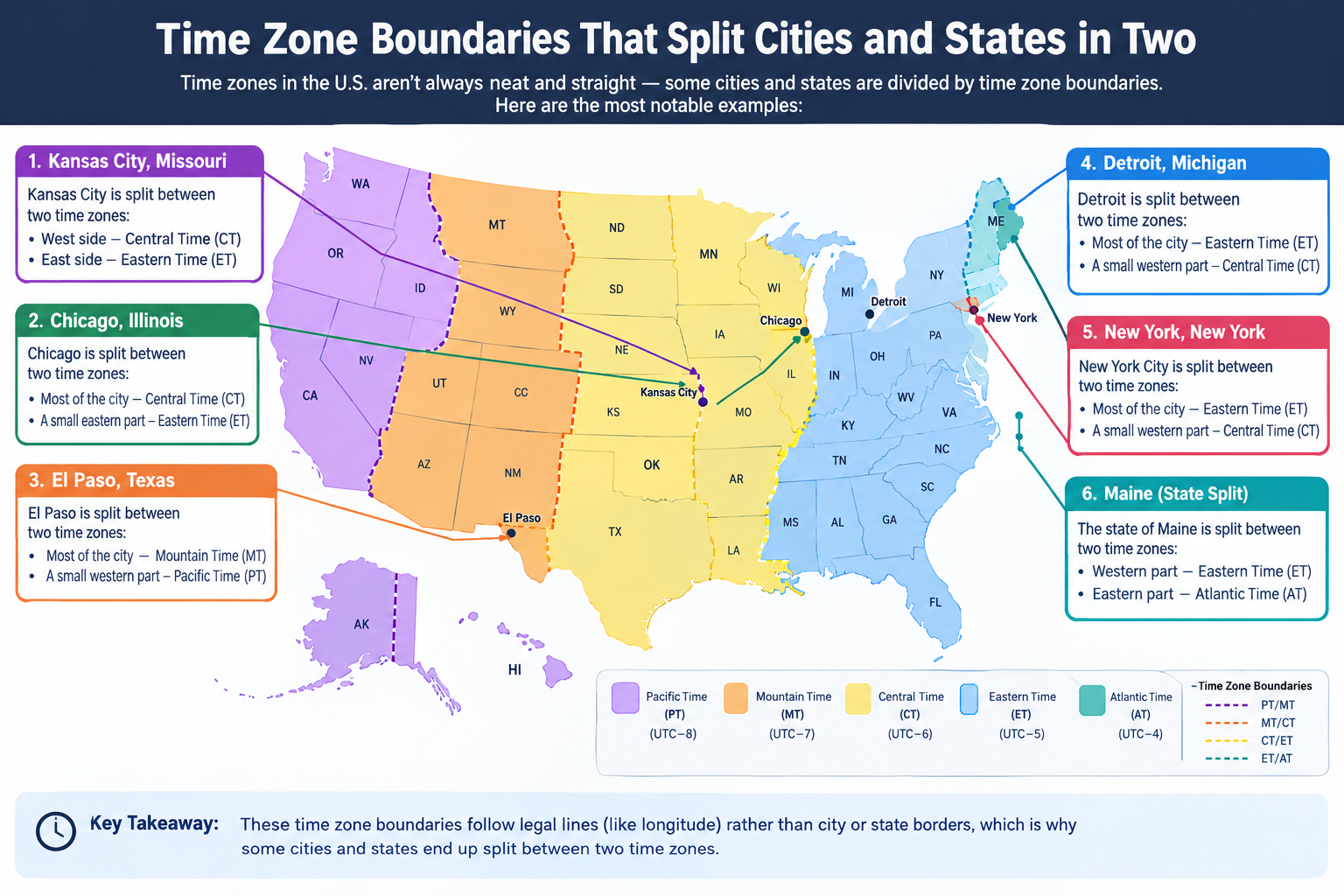
| EST | Eastern Standard Time | UTC−05:00 | US/Canada winter |
| EDT | Eastern Daylight Time | UTC−04:00 | US/Canada summer |
| CST | Central Standard Time | UTC−06:00 | Also China, Cuba |
| CDT | Central Daylight Time | UTC−05:00 | US/Canada summer |
| MST | Mountain Standard Time | UTC−07:00 | US/Canada winter |
| MDT | Mountain Daylight Time | UTC−06:00 | US/Canada summer |
| PST | Pacific Standard Time | UTC−08:00 | US/Canada winter |
| PDT | Pacific Daylight Time | UTC−07:00 | US/Canada summer |
| IST | India / Ireland / Israel | +05:30 / +01:00 / +02:00 | Ambiguous |
| BST | British Summer / Bangladesh | +01:00 / +06:00 | Ambiguous |
| CET | Central European Time | UTC+01:00 | Europe winter |
| CEST | Central European Summer Time | UTC+02:00 | Europe summer |
| JST | Japan Standard Time | UTC+09:00 | Japan |
| AEST | Australian Eastern Standard Time | UTC+10:00 | Australia winter |
| AEDT | Australian Eastern Daylight Time | UTC+11:00 | Australia summer |
Quick Reference Card
━━━━━━━━━━━━━━━━━━━━━━━━━━━━━━━━━━━━━━━━━━━━━━━━━━━━━━━━━━
           TIME ZONE ABBREVIATION CHEAT SHEET
━━━━━━━━━━━━━━━━━━━━━━━━━━━━━━━━━━━━━━━━━━━━━━━━━━━━━━━━━━

THE PROBLEM: Abbreviations are NOT globally unique

WORST OFFENDERS:
  IST → India (+05:30) / Ireland (+01:00) / Israel (+02:00)
  BST → Britain (+01:00) / Bangladesh (+06:00)
  CST → China (+08:00) / US Central (−06:00) / Cuba (−05:00)
  AST → Arabia (+03:00) / Atlantic (−04:00)

DST TRAP:
  EST ≠ EDT   PST ≠ PDT   CST ≠ CDT   MST ≠ MDT
  GMT ≠ BST   CET ≠ CEST  AEST ≠ AEDT

BEST PRACTICE:
  Use UTC offsets → UTC+05:30, UTC−08:00
  Always confirm the region, not just the abbreviation

━━━━━━━━━━━━━━━━━━━━━━━━━━━━━━━━━━━━━━━━━━━━━━━━━━━━━━━━━━
         Check live conversions at: /timezone-converter
━━━━━━━━━━━━━━━━━━━━━━━━━━━━━━━━━━━━━━━━━━━━━━━━━━━━━━━━━━
Practical Tips for Avoiding Confusion
For Scheduling Meetings
| Do This | Not This |
|---|---|
| "3 PM UTC+05:30" | "3 PM IST" |
| "10 AM UTC−08:00" | "10 AM PST" (in summer) |
| "2 PM London time (BST in July)" | "2 PM BST" |
| Include the date | Assume the offset is obvious |
For Developers
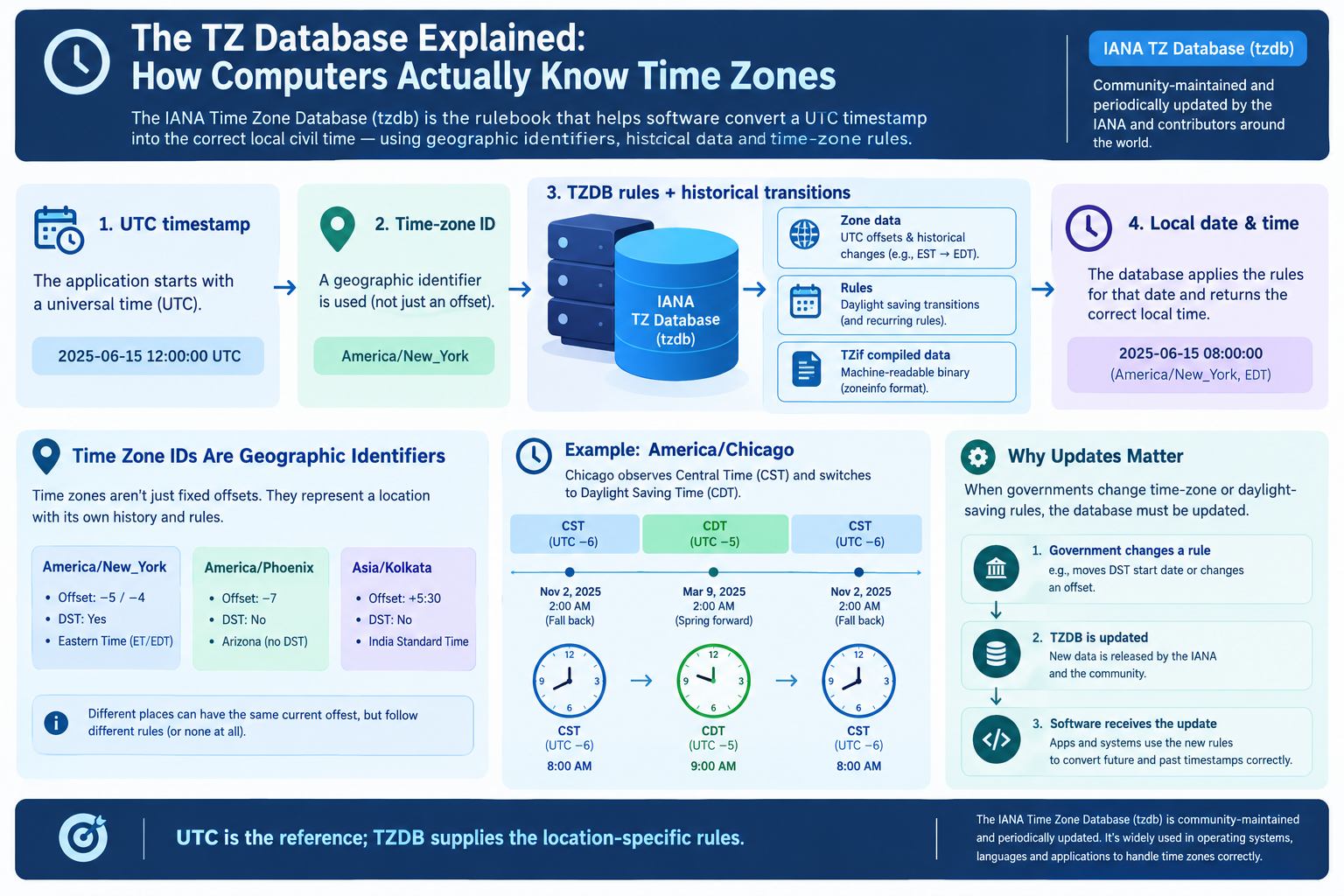
- Store times in UTC — always
- Store the offset separately if you need local time
- Never parse abbreviations — use offsets or IANA time zone IDs (e.g.,
Asia/Kolkata) - Handle DST with a library — don't calculate it manually
For Travelers
- Check whether your destination observes DST
- Don't trust the abbreviation on your boarding pass alone
- Confirm the offset when booking calls across regions
Frequently Asked Questions
What does IST stand for?
IST can mean India Standard Time (UTC+05:30), Irish Standard Time (UTC+01:00), or Israel Standard Time (UTC+02:00). Context is required to know which one.
What is the difference between EST and EDT?
EST is Eastern Standard Time (UTC−05:00), used in winter. EDT is Eastern Daylight Time (UTC−04:00), used in summer when clocks move forward one hour.
Is GMT the same as UTC?
They are often used interchangeably, but GMT is a time zone name while UTC is a time standard. For everyday purposes, GMT and UTC show the same time.
Why do some countries not use DST?
Many countries near the equator see little seasonal change in daylight, so DST offers no benefit. Others have chosen to abolish it for economic or practical reasons.
What is the safest way to express a time zone?
Use a UTC offset (e.g., UTC+05:30) or an IANA time zone identifier (e.g., Asia/Kolkata). Avoid abbreviations when precision matters.
Why is India's offset 30 minutes instead of a full hour?
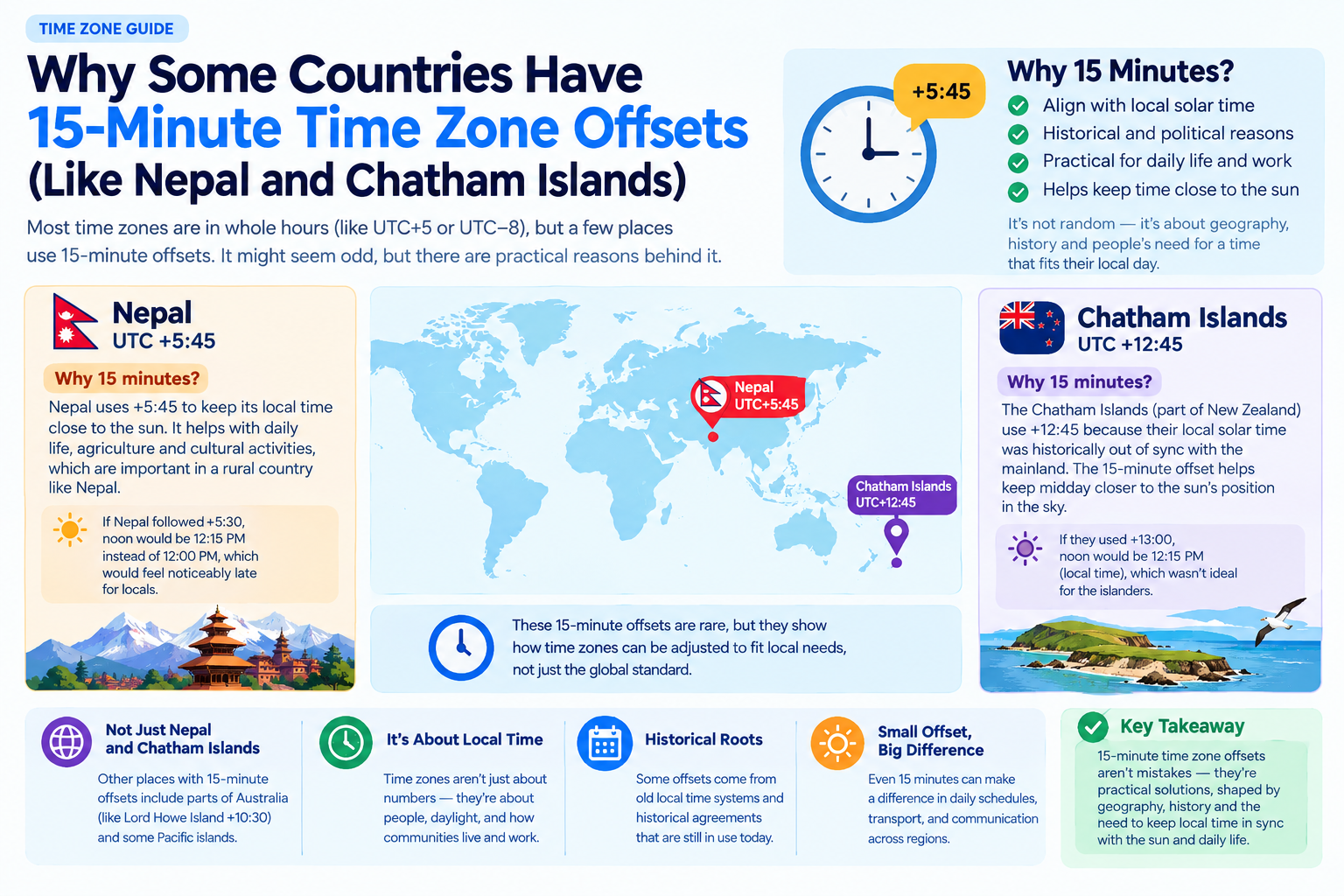
India uses a half-hour offset (UTC+05:30) to better align daylight hours across its large geographic width.
What does BST mean?
BST usually means British Summer Time (UTC+01:00), but it can also mean Bangladesh Standard Time (UTC+06:00).
Will time zone abbreviations disappear?
They are unlikely to vanish completely, but technical systems increasingly prefer numeric offsets and IANA identifiers. Abbreviations will persist mainly in casual and media usage.
Final Thoughts
Time zone abbreviations are a legacy system that never accounted for a globalized world. They collide, they change with DST, and they quietly cause missed meetings and broken software.
Three things to remember:
- Abbreviations are not unique. IST alone means three different times
- DST changes the code. EST becomes EDT, PST becomes PDT
- UTC offsets are safer. Use them when accuracy matters
Check time zone conversions instantly → /timezone-converter
Tags: time zone abbreviations, IST meaning, EST vs EDT, PST vs PDT, BST meaning, why time zone abbreviations are confusing, UTC offset, daylight saving time, time zone converter, GMT vs UTC, CST meaning, timezone acronyms