Time Zones in Space: How Do Astronauts and Mars Missions Tell Time?
Time on Earth is complicated enough. But once you leave the planet, the entire system of time zones falls apart.
Astronauts aboard the International Space Station (ISS) experience 16 sunrises and sunsets every 24 hours. On Mars, a day lasts 24 hours and 39 minutes. And thanks to Einstein's theory of relativity, clocks on different worlds tick at different speeds.
This guide explains how time actually works beyond Earth's surface.
Use the free time zone converter here →
The Short Answer: How Time Works in Space
The ISS uses Coordinated Universal Time (UTC), while Mars missions use local Martian solar time called a "sol." Due to relativity, clocks on Mars run slightly faster than clocks on Earth.
| Location | Time System | Day Length |
|---|---|---|
| Earth | UTC / Time Zones | 24 hours |
| ISS | UTC | 90-minute orbit |
| Moon | UTC (proposed CLT) | ~29.5 Earth days |
| Mars | Local Solar Time (Sol) | 24h 39m 35s |
The International Space Station: UTC in Orbit
Why UTC?
The ISS is a collaboration between the United States, Russia, Europe, Japan, and Canada. To avoid favoring any single nation's time zone, the station operates on Coordinated Universal Time (UTC) — the same standard used in aviation and computing [citation:11][citation:13].
| Aspect | Details |
|---|---|
| Time Standard | UTC (Coordinated Universal Time) |
| DST Observed? | No |
| Orbit Time | ~90 minutes |
| Sunrises/Sunsets | 16 per day |
Why Not Houston Time?
While Mission Control is in Houston, Texas, the ISS is international. Using UTC keeps things simple and neutral for all partners [citation:8].
Life on UTC
Astronauts follow a strict schedule to maintain their circadian rhythms. Since there is no natural day-night cycle, they rely on alarms, scheduled meals, and artificial lighting [citation:6].
| Challenge | Solution |
|---|---|
| No natural day/night | Fixed sleep/wake schedule |
| 16 sunrises daily | Blackout curtains |
| Circadian disruption | Timed light exposure |
Mars: Living on a 24-Hour-39-Minute Day
The Martian Sol
A day on Mars — called a sol — lasts 24 hours, 39 minutes, and 35.244 seconds [citation:10][citation:14].
| Aspect | Duration |
|---|---|
| Earth Day | 24 hours |
| Mars Sol | 24h 39m 35.244s |
| Difference | ~39.6 minutes |
How Mars Missions Keep Time
Each Mars mission uses Local Solar Time at its landing site. The time is divided into a 24-hour clock, but each "Mars hour" is slightly longer than an Earth hour [citation:4][citation:10].
| Mission | Time Reference |
|---|---|
| Perseverance | Local Solar Time at Jezero Crater |
| Curiosity | Local Solar Time at Gale Crater |
| InSight | Local Solar Time at Elysium Planitia |
Mars Coordinated Time (MTC)
There is a proposed standard called Mars Coordinated Time (MTC), based on the prime meridian at Airy-0 crater. However, most missions simply use local solar time [citation:5][citation:10].
| Standard | Basis |
|---|---|
| MTC | Airy-0 crater |
| Mission Time | Local Solar Time |
The Relativity Problem: Time Runs Differently
Why Clocks Tick Differently
According to Einstein's theory of relativity, gravity slows down time. Because Mars has less gravity than Earth, clocks on Mars run faster [citation:2][citation:7].
| Location | Clock Speed |
|---|---|
| Earth Surface | Baseline |
| Mars Surface | ~477 microseconds/day faster |
| Moon Surface | ~421 microseconds/day slower than Mars |
Why This Matters for Navigation
A tiny time difference becomes a huge navigation error over interplanetary distances [citation:7].
| Delay | Distance Error |
|---|---|
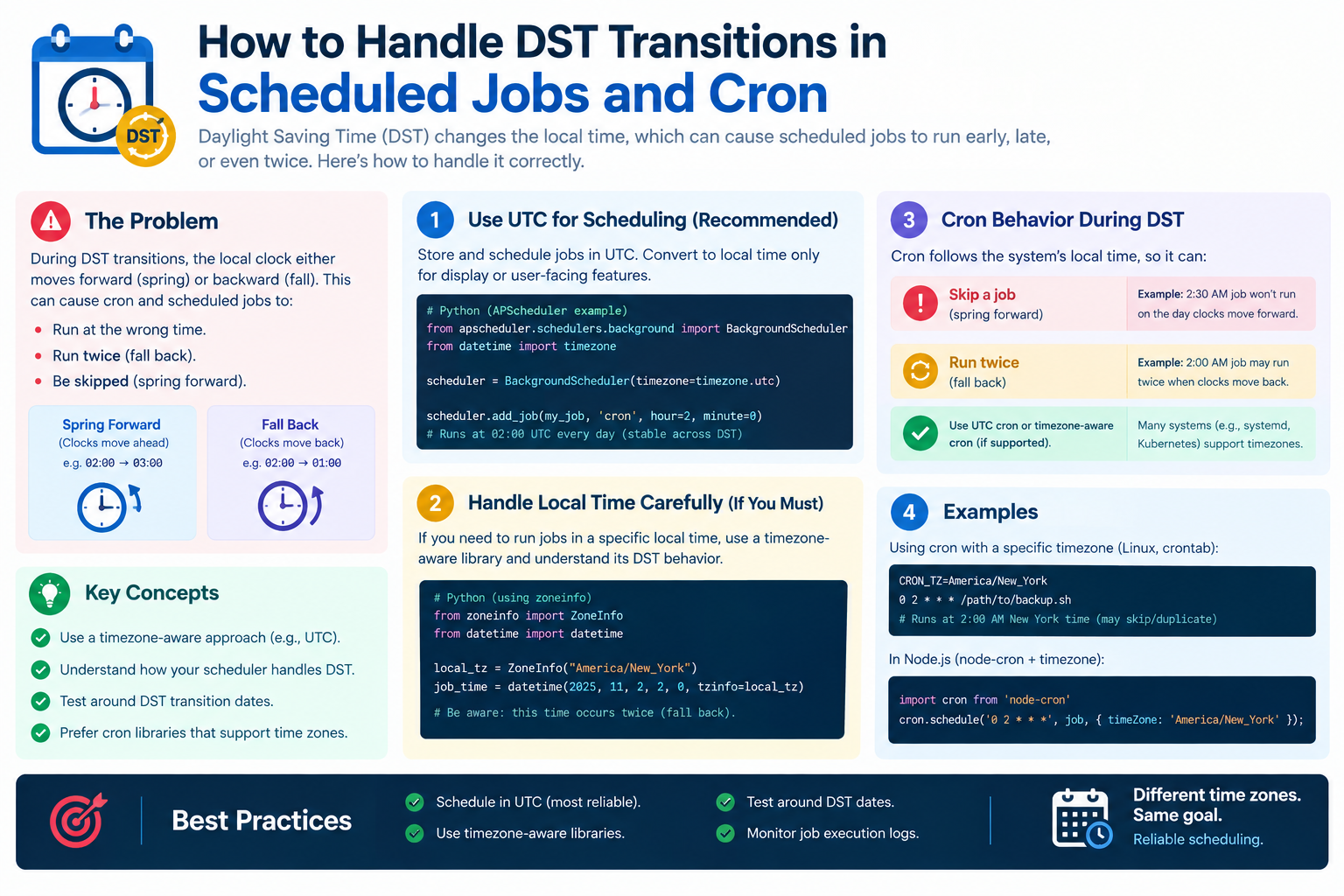
| 56 microseconds | ~184 football fields |
| 1 second | Hundreds of kilometers |
Without accounting for relativity, spacecraft would miss their landing zones entirely.
The Proposed Solutions
NASA is working on new time standards for space [citation:7][citation:12].
| Standard | Purpose |
|---|---|
| CLT (Coordinated Lunar Time) | Moon time standard |
| TCA (Areocentric Coordinate Time) | Proposed Mars time |
Life on Mars Time: The JPL Experience
When Engineers Live on Mars
During the first 90 sols of a Mars rover mission, engineers at NASA's Jet Propulsion Laboratory (JPL) shift their entire lives to Mars time [citation:9][citation:14].
| Aspect | Details |
|---|---|
| Duration | ~90 sols (first 3 months) |
| Shift | 39 minutes later each day |
| Effect | Circadian disruption |
The Jet Lag No Human Has Felt
Because a Mars sol is 39 minutes longer than an Earth day, engineers' schedules drift later every day. Within weeks, they are eating breakfast at midnight and driving home as neighbors leave for work [citation:9][citation:14].
| Week | Wake-Up Time |
|---|---|
| Week 1 | 8:00 AM |
| Week 2 | 12:30 AM |
| Week 3 | 5:00 AM |
| Week 4 | 9:30 AM |
Why Do It?
Mars rovers cannot be driven in real time. Radio signals take 4 to 24 minutes to reach Mars. Engineers write scripts for the next sol, transmit them, and wait for results. This requires aligning with Martian sunrise [citation:14].
| Communication | Delay |
|---|---|
| Earth to Mars | 4–24 minutes |
| Mars to Earth | 4–24 minutes |
Quick Reference Card
━━━━━━━━━━━━━━━━━━━━━━━━━━━━━━━━━━━━━━━━━━━━━━━━━━━━━━━━━━
   TIME ZONES IN SPACE — CHEAT SHEET
━━━━━━━━━━━━━━━━━━━━━━━━━━━━━━━━━━━━━━━━━━━━━━━━━━━━━━━━━━

INTERNATIONAL SPACE STATION (ISS):
  Time Standard: UTC
  DST: Not observed
  Orbit: ~90 minutes
  Sunrises: 16 per day

MARS:
  Day length: 24h 39m 35.244s (a "sol")
  Time Standard: Local Solar Time
  Proposed Standard: Mars Coordinated Time (MTC)
  Prime Meridian: Airy-0 crater

RELATIVITY:
  Mars clocks run ~477 microseconds/day FASTER than Earth
  Moon clocks run ~421 microseconds/day SLOWER than Mars
  Tiny delays = huge navigation errors

JPL MARS TIME:
  First 90 sols of a mission
  Engineers shift 39 minutes later each day
  Causes extreme circadian disruption
  Reason: Align with Martian sunrise for rover operations

PROPOSED STANDARDS:
  CLT (Coordinated Lunar Time) — Moon
  TCA (Areocentric Coordinate Time) — Mars

GOLDEN RULE:
  On Earth, time zones are social. In space, they are physics.

━━━━━━━━━━━━━━━━━━━━━━━━━━━━━━━━━━━━━━━━━━━━━━━━━━━━━━━━━━
         Check live conversions at: /timezone-converter
━━━━━━━━━━━━━━━━━━━━━━━━━━━━━━━━━━━━━━━━━━━━━━━━━━━━━━━━━━
Frequently Asked Questions
What time zone do astronauts on the ISS use?
The ISS uses Coordinated Universal Time (UTC). This neutral standard avoids favoring any single country's time zone [citation:11][citation:13].
How long is a day on Mars?
A Martian day, called a "sol," is 24 hours, 39 minutes, and 35.244 seconds — about 39 minutes longer than an Earth day [citation:10][citation:14].
Why do Mars rovers use local solar time instead of Earth time?
Mars rovers are solar-powered and need to operate during Martian daylight. Using local solar time aligns their activities with sunrise and sunset on Mars [citation:14].
Do clocks run at the same speed on Mars and Earth?
No. Due to relativity, clocks on Mars run about 477 microseconds per day faster than on Earth because Mars has less gravity [citation:2][citation:7].
Why do JPL engineers live on Mars time?
During the first 90 sols of a Mars mission, engineers shift their schedules to match Martian daylight so they can plan rover activities. This causes a 39-minute shift each day and severe circadian disruption [citation:9][citation:14].
What is Mars Coordinated Time (MTC)?
MTC is a proposed time standard for Mars, based on the prime meridian at Airy-0 crater. However, most missions simply use local solar time [citation:5][citation:10].
Does the ISS observe daylight saving time?
No. UTC does not observe daylight saving time, keeping things simple for the international crew [citation:11].
How do astronauts keep a normal schedule in space?
They follow a strict routine with fixed sleep and wake times, artificial lighting, and blackout curtains to simulate a normal day-night cycle [citation:6].
What is Coordinated Lunar Time (CLT)?
CLT is a proposed time standard for the Moon, similar to UTC on Earth. It would account for relativistic differences between Earth and the Moon [citation:7].
Will future Mars colonists use Earth time?
It is uncertain. While spacecraft currently use Earth-referenced time, future settlements may need their own time standard to account for Martian days and relativistic effects [citation:5].
Final Thoughts
Time in space is not just a human convention — it is a matter of physics. The ISS uses UTC to keep an international crew synchronized. Mars missions follow the Martian sol because the sun dictates when rovers can work. And relativity means clocks on different worlds tick at different speeds.
As humanity expands to the Moon and Mars, new time standards will be needed. On Earth, time zones are social agreements. In space, they are physical necessities.
Three things to remember:
- The ISS runs on UTC. No time zones, no DST
- Mars runs on sols. A day is 24h 39m 35s
- Time is relative. Clocks tick differently on different worlds
Check time zone conversions instantly → /timezone-converter
Tags: time zones in space, how astronauts tell time, ISS time zone UTC, Mars time keeping, Martian sol 24 hours 39 minutes, Mars Coordinated Time, relativistic time dilation space, JPL Mars time engineers, Coordinated Lunar Time CLT, time zone converter