Time Zones in Fiction: How Movies and Games Get Them Wrong
Movies and video games have a complicated relationship with time zones. Sometimes they get them exactly right. More often, they ignore them entirely — or invent physics-defying rules to make the plot work.
The result is a collection of recurring errors that anyone who understands time zones will spot immediately. This guide explores the most common fictional time zone mistakes, and why they happen.
Use the free time zone converter here →
The Short Answer: Fiction Ignores Time Zones
The most common errors in fiction are the Magic Time Zone (everyone shares the same time), simultaneous global events (a phone call across 12 time zones works instantly), and unrealistic travel times (crossing the world in minutes). These mistakes exist to serve the story.
| Mistake | Example |
|---|---|
| Magic Time Zone | Everyone lives on the same clock |
| Simultaneous calls | 3 AM call answered instantly in another zone |
| Unrealistic travel | London to Tokyo in an hour |
| Missing date line | No one mentions losing a day |
| Wrong offset | Characters cite incorrect times |
| DST ignored | No seasonal shifts |
Mistake 1: The Magic Time Zone
What It Is
In most films and TV shows, everyone lives on the same clock. Characters in New York, London, and Tokyo all experience the same time of day simultaneously, without any mention of time zones.
| Example | Problem |
|---|---|
| Morning in New York | Simultaneously morning in Tokyo |
| Business hours everywhere | No one is asleep |
| Same time on all clocks | No conversion |
| No jet lag | Travel is instant |
Why It Happens
Filmmakers want to avoid confusing the audience. Showing a character in Tokyo at 3 AM while another is in New York at 2 PM complicates the narrative.
| Reason | Explanation |
|---|---|
| Simplicity | Easier to follow |
| Pacing | No time zone explanations |
| Production | Cheaper to shoot |
| Audience | Assumed ignorance |
The Reality
In reality, New York is 13–14 hours behind Tokyo. When it is 9 AM in New York, it is 10 or 11 PM in Tokyo.
| New York | Tokyo |
|---|---|
| 9:00 AM | 10:00 PM |
| 2:00 PM | 3:00 AM (next day) |
Mistake 2: The Simultaneous Global Phone Call
What It Happens
A character in Los Angeles calls a character in Mumbai. Both are awake, alert, and available — even though their local times are 12.5 hours apart.
| Call Scenario | Realistic? |
|---|---|
| LA 10 AM → Mumbai 10:30 PM | Possible, late |
| LA 3 PM → Mumbai 3:30 AM | Unlikely |
| LA 9 AM → Mumbai 9:30 PM | Rare |
| LA 6 AM → Mumbai 6:30 PM | Plausible |
Why It Happens
A phone call is dramatic. Showing one character setting an alarm for 3 AM to take a call is realistic but boring.
| Reason | Explanation |
|---|---|
| Drama | Simultaneous action |
| Pacing | No delays |
| Convenience | Characters always available |
| Plot | Instant communication |
The Reality
A realistic global call requires planning. Someone is always inconvenienced.
| Call Direction | Who Is Inconvenienced |
|---|---|
| US → India | Indian recipient (late night) |
| India → US | American recipient (early morning) |
| UK → Australia | Australian recipient (late night) |
| Australia → UK | UK recipient (early morning) |
Mistake 3: Unrealistic Travel Times
What Happens
Characters cross the globe in impossibly short times. A flight from London to Tokyo takes 12 hours in reality. In films, it might take two hours — or happen off-screen with no mention of time zones.
| Route | Real Flight Time | Fictional Time |
|---|---|---|
| London → Tokyo | 12 hours | 2 hours |
| New York → Sydney | 21 hours | 4 hours |
| LA → Dubai | 16 hours | 3 hours |
| Paris → Beijing | 10 hours | Overnight |
Why It Happens
Films compress time. Showing a character sleeping on a plane for 12 hours is not dramatic. Cutting directly to arrival is efficient.
| Reason | Explanation |
|---|---|
| Pacing | Keep the story moving |
| Budget | Cannot show everything |
| Drama | Focus on arrival |
| Audience | Accepts compression |
The Missing Jet Lag
Even when travel time is shown, characters rarely suffer from jet lag. They land and immediately function at full capacity.
| Realistic | Fictional |
|---|---|
| Groggy for days | Instant adjustment |
| Sleep disruption | No mention |
| Circadian mismatch | Ignored |
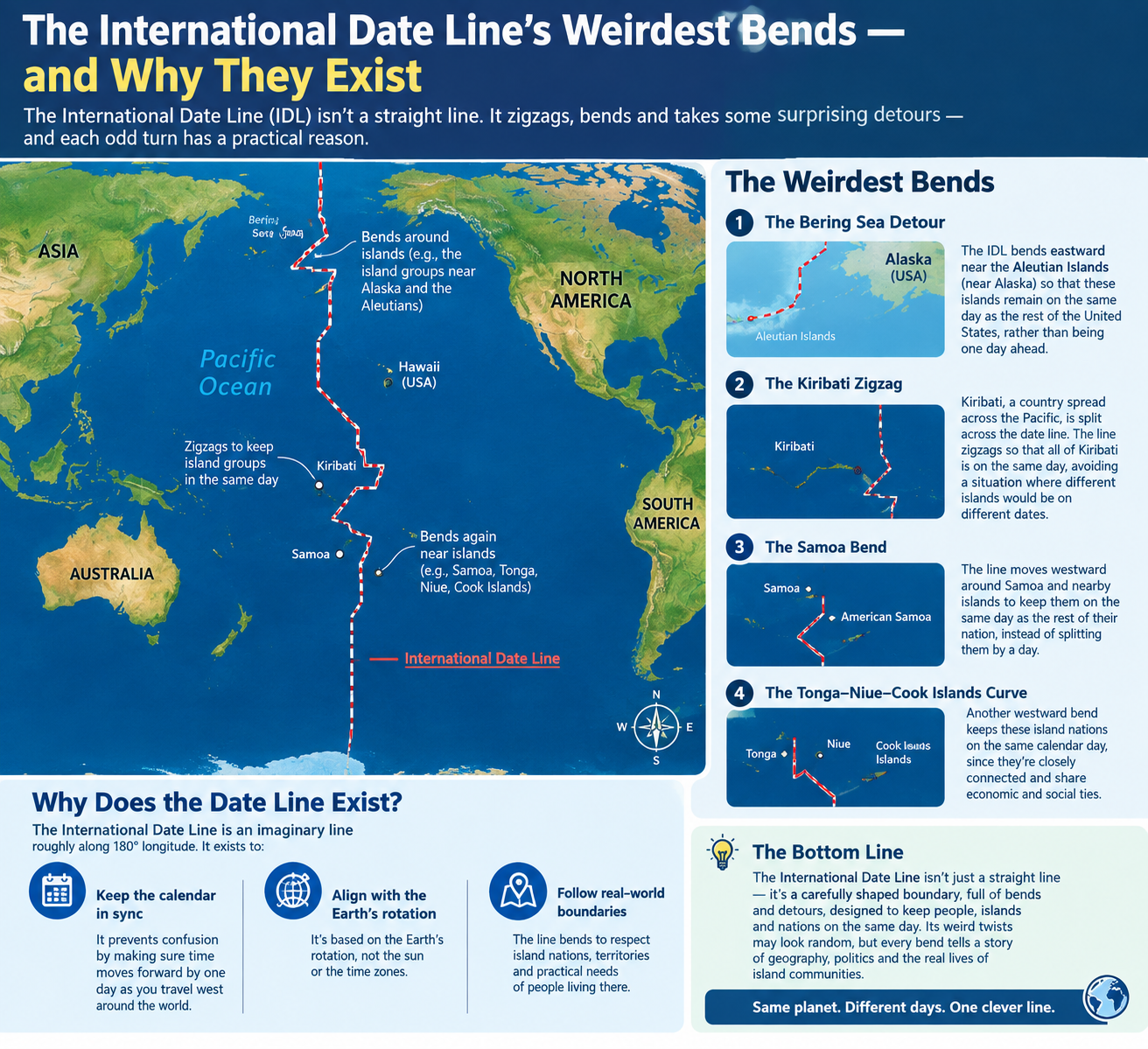
Mistake 4: The Missing Date Line
What Happens
Characters cross the International Date Line without any mention of losing or gaining a day.
| Crossing | Real Effect | Fictional Effect |
|---|---|---|
| US → Japan | Lose a day | None mentioned |
| Japan → US | Gain a day | None mentioned |
| Australia → US | Gain a day | None mentioned |
The Classic Error
A character flies from Tokyo to Los Angeles and arrives before they left in local time. Fiction rarely acknowledges this.
| Departure | Arrival | Realistic? |
|---|---|---|
| Tokyo 5 PM Monday | LA 10 AM Monday | Yes |
| Tokyo 5 PM Monday | LA 10 AM Tuesday | No |
Why It Happens
The date line is confusing. Explaining it takes screen time and distracts from the plot.
| Reason | Explanation |
|---|---|
| Complexity | Hard to explain quickly |
| Confusion | Audience may get lost |
| Pacing | Slows the story |
| Plot | Not usually relevant |
Mistake 5: Video Game Time Zones
The Open World Problem
Video games with large open worlds often ignore time zones entirely. A game set in a fictional version of Europe might use one time across the entire map.
| Game Type | Time Zone Handling |
|---|---|
| Open world | Single time |
| MMO | Server time |
| Racing | Real track times |
| Flight sim | Realistic |
| Strategy | Often ignored |
The Server Time Issue
MMOs often use server time — a single clock for all players, regardless of their real-world location.
| Game | Time System |
|---|---|
| World of Warcraft | Server time |
| Final Fantasy XIV | Server time |
| EVE Online | UTC |
| Pokémon GO | Local time |
The Flight Sim Exception
Flight simulators are one of the few genres that take time zones seriously.
| Simulator | Time Zone Support |
|---|---|
| Microsoft Flight Simulator | Real-world time zones |
| X-Plane | Real-world time zones |
| DCS World | Real-world time zones |
Why Games Ignore Time Zones
| Reason | Explanation |
|---|---|
| Simplicity | One clock is easier |
| Player base | Global audience |
| Gameplay | Time zones add complexity |
| Server | Single reference |
Mistake 6: Wrong Offsets
What Happens
When fiction does mention time zones, it often gets the numbers wrong.
| Error | Example |
|---|---|
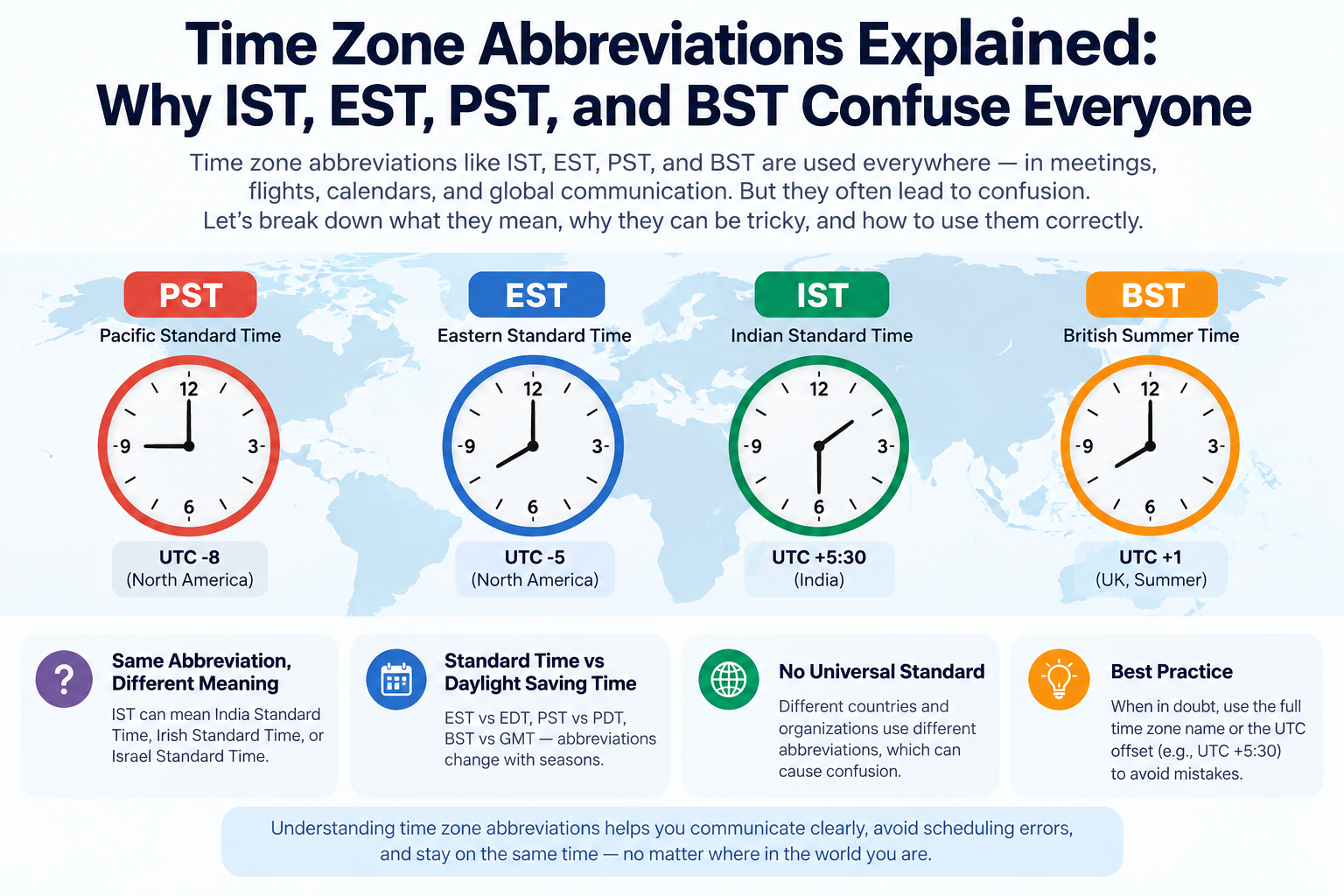
| Wrong offset | "New York is 6 hours behind London" |
| Wrong DST | "London is GMT+2 in summer" |
| Wrong season | Summer in both hemispheres |
| Wrong date | December in Australia shown as winter |
The New York–London Error
The most common error is the New York–London offset.
| Season | Real Difference |
|---|---|
| Winter | 5 hours |
| Summer | 5 hours |
| Transition weeks | 4 hours |
Fiction often says 6 hours, which is never correct.
Why It Happens
Writers may not check the actual offsets, or they simplify for the audience.
| Reason | Explanation |
|---|---|
| Laziness | Not researched |
| Simplification | Round numbers |
| Assumption | "Close enough" |
| Error | Genuine mistake |
Mistake 7: Ignoring Daylight Saving
What Happens
Fiction rarely mentions daylight saving time. Characters never adjust clocks, and seasonal shifts are ignored.
| Aspect | Fiction | Reality |
|---|---|---|
| DST transitions | Never mentioned | Twice a year |
| Clock changes | Ignored | Real |
| Scheduling | No impact | Significant |
Why It Matters
DST can change the time difference between two locations by an hour. Fiction ignores this entirely.
| Pair | Winter Difference | Summer Difference |
|---|---|---|
| New York–London | 5 hours | 5 hours |
| New York–Paris | 6 hours | 6 hours |
| London–Sydney | 11 hours | 9 hours |
The Exceptions: Fiction That Gets It Right
Films and TV
| Title | What It Gets Right |
|---|---|
| The Terminal | Airport time zones |
| Lost in Translation | Tokyo jet lag |
| Around the World in 80 Days | Date line |
| Somewhere in Time | Time travel logic |
Video Games
| Game | What It Gets Right |
|---|---|
| Microsoft Flight Simulator | Real-world time zones |
| Euro Truck Simulator | European time zones |
| Train Simulator | Realistic schedules |
Books
| Author | What They Get Right |
|---|---|
| Jules Verne | Date line in Around the World in 80 Days |
| Arthur C. Clarke | Space time in 2001 |
| Andy Weir | Mars time in The Martian |
Quick Reference Card
━━━━━━━━━━━━━━━━━━━━━━━━━━━━━━━━━━━━━━━━━━━━━━━━━━━━━━━━━━
   TIME ZONES IN FICTION — CHEAT SHEET
━━━━━━━━━━━━━━━━━━━━━━━━━━━━━━━━━━━━━━━━━━━━━━━━━━━━━━━━━━

COMMON MISTAKES:

1. MAGIC TIME ZONE:
   Everyone on the same clock
   New York and Tokyo both at 9 AM

2. SIMULTANEOUS CALLS:
   Global calls always connect
   No one is asleep

3. UNREALISTIC TRAVEL:
   London to Tokyo in 2 hours
   No jet lag on arrival

4. MISSING DATE LINE:
   No lost or gained days
   Arrive before you left (ignored)

5. VIDEO GAME TIME:
   Server time for all players
   Open worlds use one clock

6. WRONG OFFSETS:
   "New York is 6 hours behind London"
   (It is 5 hours)

7. IGNORING DST:
   No seasonal shifts
   No clock changes

WHAT FICTION GETS RIGHT:
  • Flight simulators
  • Some travel films
  • Jules Verne's date line
  • Andy Weir's Mars time

WHY MISTAKES HAPPEN:
  • Simplicity
  • Pacing
  • Budget
  • Audience confusion
  • Laziness

GOLDEN RULE:
  Fiction serves the story, not the time zone.

━━━━━━━━━━━━━━━━━━━━━━━━━━━━━━━━━━━━━━━━━━━━━━━━━━━━━━━━━━
         Check live conversions at: /timezone-converter
━━━━━━━━━━━━━━━━━━━━━━━━━━━━━━━━━━━━━━━━━━━━━━━━━━━━━━━━━━
Frequently Asked Questions
Why do movies ignore time zones?
Movies ignore time zones for simplicity, pacing, and budget. Showing realistic time differences complicates the narrative and slows the story.
What is the "Magic Time Zone" trope?
The Magic Time Zone is when all characters, regardless of location, experience the same time of day simultaneously. It is common in films and TV shows.
Why do video games use server time?
Video games use server time to provide a single reference for all players, regardless of their real-world location. This simplifies game logic and avoids confusion.
Which video games get time zones right?
Flight simulators like Microsoft Flight Simulator and X-Plane model real-world time zones. Euro Truck Simulator and Train Simulator also handle European time zones realistically.
Do any films get time zones right?
Some films, like The Terminal and Lost in Translation, handle time zones and jet lag more realistically than most. Jules Verne's Around the World in 80 Days famously uses the International Date Line as a plot point.
Why do fictional characters never have jet lag?
Jet lag slows the story. Characters need to function immediately upon arrival, so fiction ignores the realistic effects of crossing time zones.
What is the most common time zone error in fiction?
The most common error is the Magic Time Zone — everyone living on the same clock. The second most common is the wrong offset between New York and London.
How do MMOs handle time zones?
Most MMOs use server time — a single clock for all players. Some, like EVE Online, use UTC. A few, like Pokémon GO, use local time.
Do books get time zones right?
Some do. Jules Verne's Around the World in 80 Days uses the International Date Line as a key plot point. Andy Weir's The Martian accurately portrays Mars time.
Why do movies show summer in both hemispheres?
Fiction often ignores the fact that seasons are reversed in the Southern Hemisphere. A December scene in Australia is often shown as winter, when it is actually summer.
Final Thoughts
Fiction and time zones have a complicated relationship. Movies and games ignore time zones because they serve the story, not the clock. The Magic Time Zone, simultaneous global calls, and unrealistic travel times are all sacrifices made for pacing and simplicity.
But when fiction does get time zones right — like Around the World in 80 Days or The Martian — it can be a thing of beauty. The rare accuracy makes the fictional world feel more real.
Three things to remember:
- Fiction ignores time zones for pacing. The story comes first
- The Magic Time Zone is everywhere. Everyone shares the same clock
- Some fiction gets it right. Flight sims and a few films stand out
Check time zone conversions instantly → /timezone-converter
Tags: time zones in fiction, how movies get time zones wrong, Magic Time Zone trope, simultaneous phone calls movies, video game time zone mistakes, unrealistic travel times fiction, date line in movies, Hollywood time zones, time zone errors film, time zone converter