How Time Zones Affect Stock Markets and Trading Hours
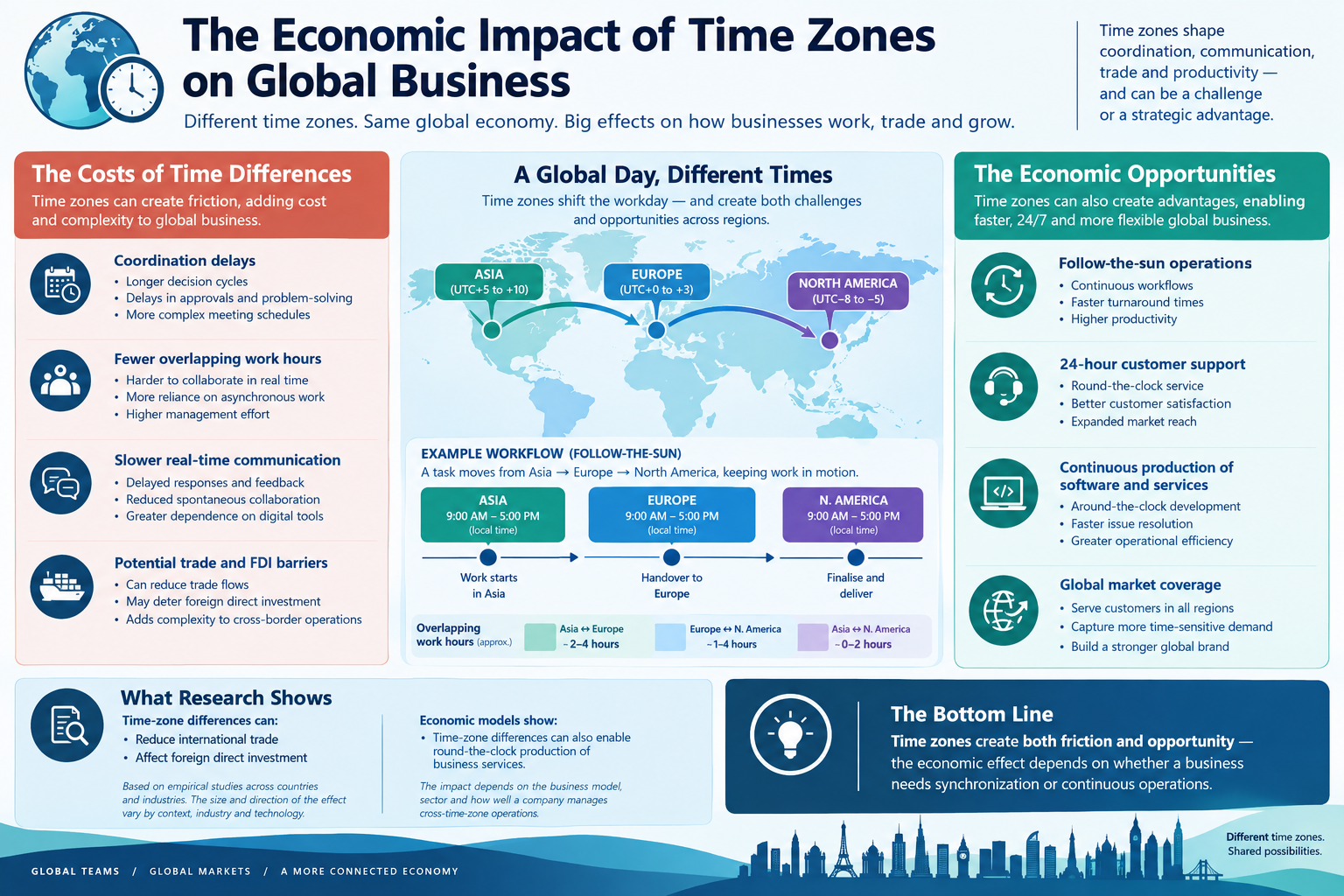
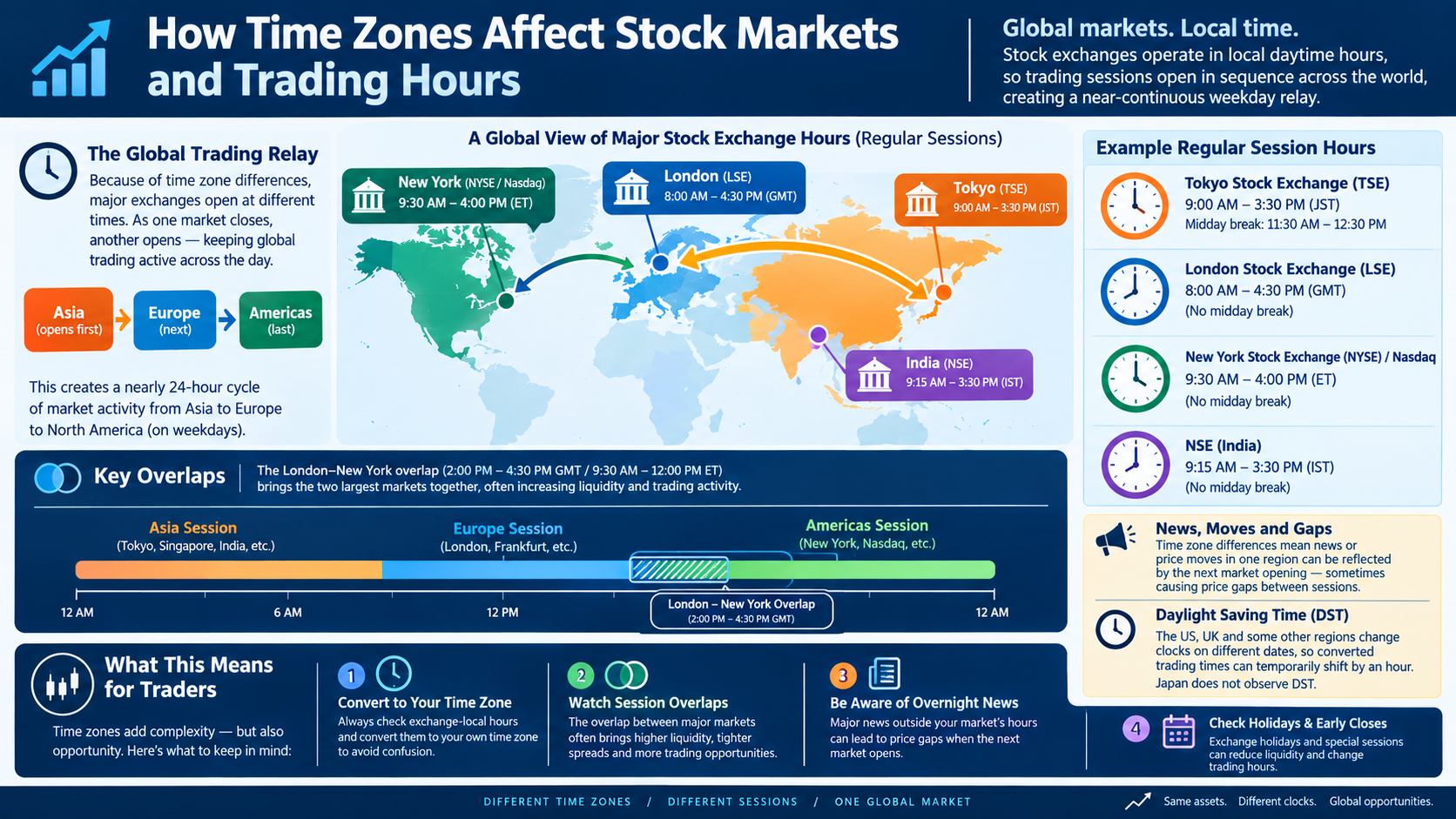
Stock markets do not all run on the same clock. When New York closes, Tokyo is just waking up. When London pauses for lunch, Chicago is still asleep. This staggered schedule is not an accident — it is a direct result of time zones.
For traders and investors, understanding these hours is essential. Time zones determine when you can trade, when liquidity peaks, and when volatility spikes.
This guide explains how global stock markets operate across time zones.
Use the free time zone converter here →
The Short Answer: Why Time Zones Matter for Markets
Stock exchanges open and close based on local time, which means global markets never all trade at once. This creates distinct sessions, overlaps, and gaps.
| Aspect | Details |
|---|---|
| Core issue | Each exchange uses local time |
| Main sessions | Asian, European, US |
| Key overlap | London–New York (~4 hours) |
| Biggest gap | New York close to Tokyo open |
| Effect | Liquidity and volatility shift by hour |
| Extended hours | Pre-market and after-hours trading |
| Global markets | Never all open simultaneously |
The Three Major Trading Sessions
The global trading day is divided into three overlapping sessions.
| Session | Major Exchanges | Local Hours | UTC Hours |
|---|---|---|---|
| Asian | Tokyo, Hong Kong, Sydney, Shanghai | 09:00–15:00 | 00:00–06:00 |
| European | London, Frankfurt, Paris | 08:00–16:30 | 08:00–16:30 |
| US | New York, Chicago, Toronto | 09:30–16:00 | 14:30–21:00 |
The Relay Race
Markets pass the baton from east to west:
| Time (UTC) | Active Markets |
|---|---|
| 00:00–06:00 | Tokyo, Sydney, Hong Kong |
| 06:00–08:00 | Asian close, European pre-open |
| 08:00–14:30 | London, Frankfurt, Paris |
| 14:30–16:30 | London and New York both open |
| 16:30–21:00 | New York only |
| 21:00–00:00 | US close, Asia pre-open |
Major Exchange Trading Hours
United States
| Exchange | Local Time | UTC |
|---|---|---|
| NYSE | 09:30–16:00 ET | 14:30–21:00 |
| Nasdaq | 09:30–16:00 ET | 14:30–21:00 |
| Chicago (CME) | 08:30–15:00 CT | 14:30–21:00 |
Europe
| Exchange | Local Time | UTC |
|---|---|---|
| London (LSE) | 08:00–16:30 GMT/BST | 08:00–16:30 |
| Frankfurt (XETRA) | 09:00–17:30 CET | 08:00–16:30 |
| Paris (Euronext) | 09:00–17:30 CET | 08:00–16:30 |
Asia-Pacific
| Exchange | Local Time | UTC |
|---|---|---|
| Tokyo (TSE) | 09:00–15:00 JST | 00:00–06:00 |
| Hong Kong (HKEX) | 09:30–16:00 HKT | 01:30–08:00 |
| Shanghai (SSE) | 09:30–15:00 CST | 01:30–07:00 |
| Sydney (ASX) | 10:00–16:00 AEST | 00:00–06:00 |
Note on Daylight Saving Time
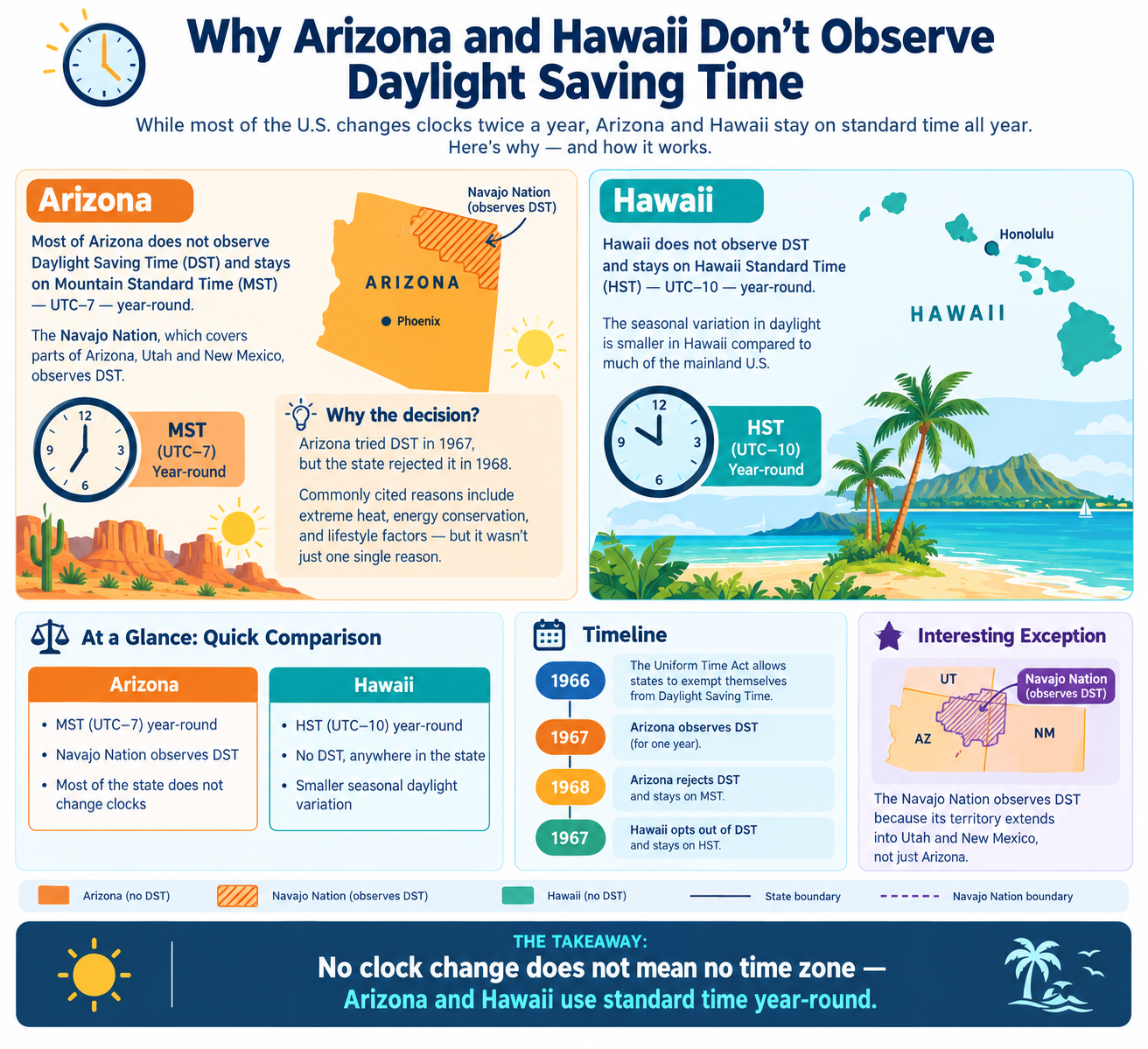
Many markets shift by an hour during DST, which changes their UTC hours.
| Market | DST Effect |
|---|---|
| New York | Shifts between UTC−05:00 and UTC−04:00 |
| London | Shifts between UTC+00:00 and UTC+01:00 |
| Tokyo | No DST |
| Hong Kong | No DST |
| Shanghai | No DST |
The London–New York Overlap: Peak Liquidity
Why It Matters
When London and New York are both open, the world's two largest financial centers trade simultaneously. This is the most liquid period of the global trading day.
| Aspect | Details |
|---|---|
| Overlap | About 4 hours |
| When | 14:30–16:30 UTC (varies with DST) |
| Volume | Peak forex and bond trading |
| Liquidity | Highest of the day |
| Spreads | Tightest |
| Volatility | Often elevated |
What Trades During the Overlap
| Asset Class | Activity |
|---|---|
| Forex | Highest volume |
| Government bonds | Heavy trading |
| US equities | Peak participation |
| European equities | Final hours |
| Commodities | Active |
Why Traders Watch It
| Reason | Explanation |
|---|---|
| Tight spreads | Lower trading costs |
| Deep liquidity | Easier to fill large orders |
| News flow | US and European data releases |
| Price discovery | Most reliable prices |
The Asia Gap: Low Liquidity Window
What Happens
When New York closes at 21:00 UTC, Tokyo does not open until 00:00 UTC. This creates a three-hour gap with very little liquidity.
| Aspect | Details |
|---|---|
| Gap | About 3 hours |
| When | 21:00–00:00 UTC |
| Liquidity | Very low |
| Spreads | Wider |
| Risk | Larger price swings |
Why the Gap Matters
| Issue | Explanation |
|---|---|
| Thin order books | Fewer buyers and sellers |
| Price gaps | Small trades move prices more |
| Weekend gaps | Monday opens can jump |
| Holiday effects | Worse when markets are closed |
The Weekend Gap
Markets close on Friday evening and reopen Monday morning. News that breaks over the weekend can cause large opening gaps.
| Day | Event |
|---|---|
| Friday 21:00 UTC | New York closes |
| Weekend | News, earnings, geopolitics |
| Monday 00:00 UTC | Tokyo opens |
| Monday 14:30 UTC | New York opens |
Pre-Market and After-Hours Trading
What They Are
Many exchanges offer extended hours trading outside the main session.
| Session | US Hours (ET) | Notes |
|---|---|---|
| Pre-market | 04:00–09:30 | Lower liquidity |
| Regular | 09:30–16:00 | Main session |
| After-hours | 16:00–20:00 | Lower liquidity |
Why They Exist
| Reason | Explanation |
|---|---|
| Global demand | Overseas investors want access |
| News timing | Earnings often released after close |
| Flexibility | Traders can react to events |
| Competition | Exchanges compete for volume |
Risks of Extended Hours
| Risk | Explanation |
|---|---|
| Low liquidity | Fewer participants |
| Wide spreads | Higher trading costs |
| Volatility | Prices can swing sharply |
| Limited info | Less market data available |
Time Zones and Volatility Patterns
When Volatility Peaks
Volatility follows a predictable pattern across the trading day.
| Period | Volatility | Why |
|---|---|---|
| Asian session | Moderate | Regional data |
| European open | High | European data, London open |
| London–NY overlap | Highest | US data, peak volume |
| US afternoon | Moderate | Position squaring |
| Asia gap | Low but spiky | Thin liquidity |
Key Data Release Times
| Data | Typical Time (UTC) |
|---|---|
| US jobs report | 12:30–14:30 |
| US inflation | 12:30–14:30 |
| Fed decisions | 18:00–19:00 |
| ECB decisions | 11:45–12:30 |
| Bank of Japan | 03:00–06:00 |
Why Timing Matters
| Effect | Explanation |
|---|---|
| Liquidity mismatch | News during thin hours moves prices more |
| Overreaction | Low liquidity amplifies moves |
| Gaps | Prices jump between sessions |
| Arbitrage | Faster systems exploit timing |
Quick Reference Card
━━━━━━━━━━━━━━━━━━━━━━━━━━━━━━━━━━━━━━━━━━━━━━━━━━━━━━━━━━
     STOCK MARKETS & TIME ZONES CHEAT SHEET
━━━━━━━━━━━━━━━━━━━━━━━━━━━━━━━━━━━━━━━━━━━━━━━━━━━━━━━━━━

MAJOR EXCHANGE HOURS (UTC):
  Tokyo (TSE)      → 00:00–06:00
  Hong Kong (HKEX) → 01:30–08:00
  Shanghai (SSE)   → 01:30–07:00
  London (LSE)     → 08:00–16:30
  Frankfurt        → 08:00–16:30
  New York (NYSE)  → 14:30–21:00

THE THREE SESSIONS:
  Asian    → 00:00–06:00 UTC
  European → 08:00–16:30 UTC
  US       → 14:30–21:00 UTC

KEY OVERLAP:
  London–New York → 14:30–16:30 UTC
  Peak liquidity, tightest spreads, highest volume

KEY GAP:
  New York close (21:00) to Tokyo open (00:00)
  Thin liquidity, wider spreads, gap risk

US EXTENDED HOURS (ET):
  Pre-market  → 04:00–09:30
  Regular     → 09:30–16:00
  After-hours → 16:00–20:00

DST ALERT:
  New York and London shift — always check UTC offset
  Tokyo, Hong Kong, Shanghai do not observe DST

━━━━━━━━━━━━━━━━━━━━━━━━━━━━━━━━━━━━━━━━━━━━━━━━━━━━━━━━━━
         Check live conversions at: /timezone-converter
━━━━━━━━━━━━━━━━━━━━━━━━━━━━━━━━━━━━━━━━━━━━━━━━━━━━━━━━━━
Frequently Asked Questions
What are the main stock market trading sessions?
There are three main sessions: Asian (00:00–06:00 UTC), European (08:00–16:30 UTC), and US (14:30–21:00 UTC). They overlap slightly and pass the baton from east to west.
When is the London–New York overlap?
The overlap runs roughly 14:30–16:30 UTC, though it shifts with daylight saving time. This is the most liquid period of the global trading day.
Why does the Asia gap matter?
When New York closes and Tokyo has not opened, liquidity is thin. Small trades can move prices more, and spreads widen.
What are pre-market and after-hours trading?
These are extended trading sessions outside regular hours. In the US, pre-market runs 04:00–09:30 ET and after-hours runs 16:00–20:00 ET. Liquidity is lower and risk is higher.
Do all markets observe daylight saving time?
No. New York and London shift with DST, but Tokyo, Hong Kong, and Shanghai do not. This changes the UTC hours of those markets seasonally.
When do US markets open in UTC?
The NYSE opens at 14:30 UTC during standard time and 13:30 UTC during daylight saving time.
Why do stocks gap on Monday mornings?
Markets close Friday evening and reopen Monday. News over the weekend can cause large opening gaps, especially in thin pre-market trading.
What is the best time to trade?
The London–New York overlap offers the tightest spreads and deepest liquidity, but it is also when volatility is highest.
How do time zones affect forex trading?
Forex trades 24 hours a day, five days a week, but volume peaks during the London–New York overlap. The Asian session is typically calmer.
Final Thoughts
Stock markets are a global relay race, and time zones set the schedule. Understanding when each session opens, when they overlap, and when liquidity dries up is essential for anyone trading or investing internationally.
Three things to remember:
- Markets pass the baton east to west. Asian, European, then US sessions
- The London–New York overlap is peak time. Tightest spreads, deepest liquidity
- The Asia gap is risky. Thin liquidity can amplify price moves
Check time zone conversions instantly → /timezone-converter
Tags: how time zones affect stock markets, stock market trading hours, NYSE trading hours, London Stock Exchange hours, Tokyo Stock Exchange hours, London New York overlap, pre-market trading, after-hours trading, global market sessions, time zone converter